
The Latest/Featured Posts:
Music Blog:
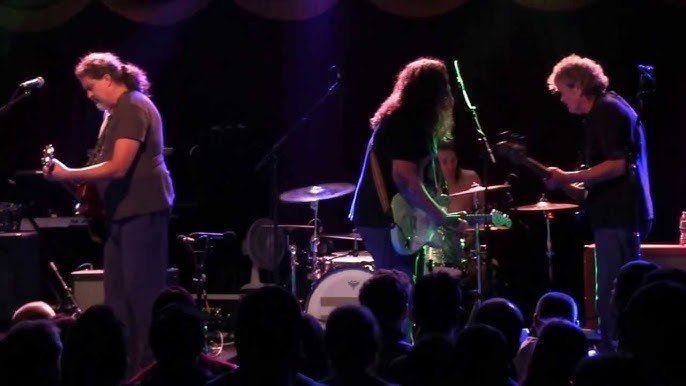
Meat Puppets Live at WFMU (2019)
We continue listening through the WFMU archives and today we pause to observe Meat Puppets live in 2019.
Music Blog:

Group Doueh Live at WFMU (2017)
Another gem from the WFMU live vaults. This time with Group Doueh who WFMU describe as ““One of the most blasted psychedelic Western Saharan combos to hit American shores.”
Music Blog:

Kikagaku Moyo Live at WFMU (2019)
WFMU recently announced that they are opening up their live vaults. So, we’re going digging! We’ve already got several shows cued up for your enjoyment. First up is the sadly defunct Kikagaku Moyo live at Monty Hall, 2019.
Music Blog:

Sylvan Esso Live at NPR's Tiny Desk (2015)
Last year, when Bob Boilen announced his retirement from NPR’s Tiny Desk, I started compiling performances to make a playlist of some of my favorites. I keep coming back to this classic 2015 set from Sylvan Esso.
Music Blog:

Saturday Sessions :: Billy Strings and Chris Thile :: CBS Saturday Sessions (2024)
Master Maestros Billy Strings and Chris Thile recently stopped by the CBS Saturday Sessions for a three-son set.
Music Blog:

King Gizzard & The Lizard Wizard Live At KEXP (2017)
KEXP presents King Gizzard & The Lizard Wizard performing live in the KEXP studio. Recorded October 11, 2017.
Music Blog:

Arooj Aftab, Vijay Iyer, Shahzad Ismaily :: Tiny Desk Concert
Arooj Aftab, Vijay Iyer, Shahzad Ismaily live at NPR’s Tiny Desk (May 12, 2023).
Music Blog:

Raz Mesinai and Shahzad Ismaily Live
Today we feature a live duo performance from Raz Mesinai and Shahzad Ismaily.
Music Blog:

Bob Marley and the Wailers :: Live at the Santa Barbara County Bowl :: 11/25/79
Bob Marley and the Wailers :: Live at the Santa Barbara County Bowl :: 11/25/79.
Music Blog:
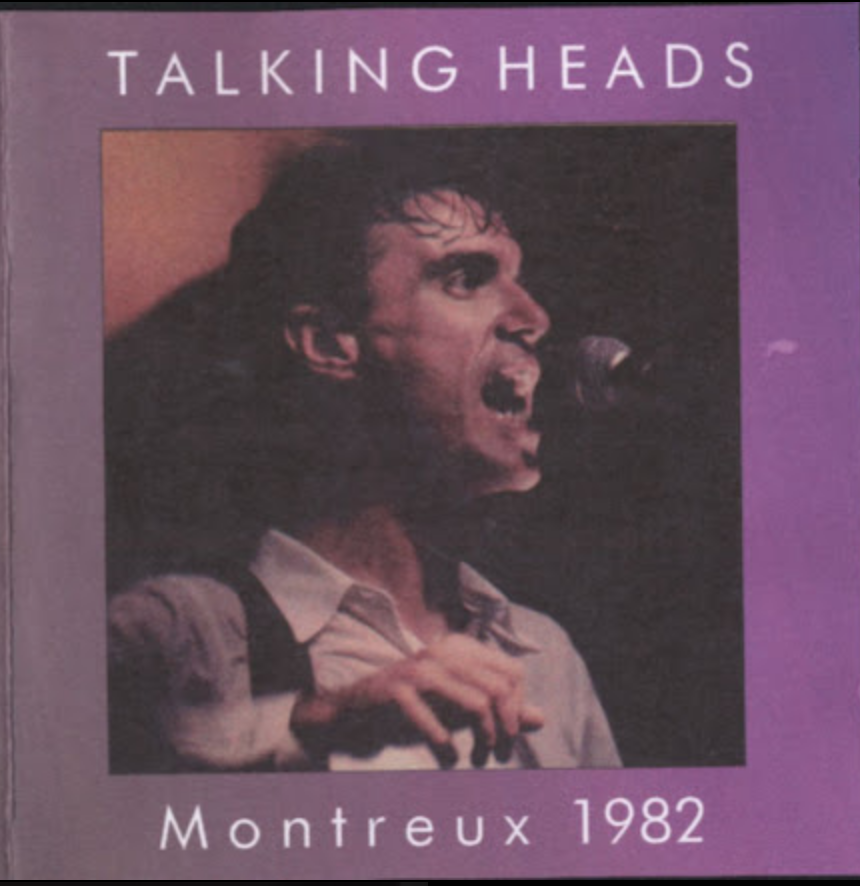
Talking Heads :: Live at Montreux Jazz Festival (1982)
“This is full footage of Talking Heads performing at the Montreux Jazz Festival in Switzerland, July 9th 1982. Originally broadcasted on Swiss TV and radio, but this footage is from an archive of the master tapes (except the last song)”
Music Blog:

Goat :: Live at Le Guess Who? (2022)
Today at the music blog we feature a 2022 live set from Goat. Goat :: Live at Le Guess Who?
Music Blog:
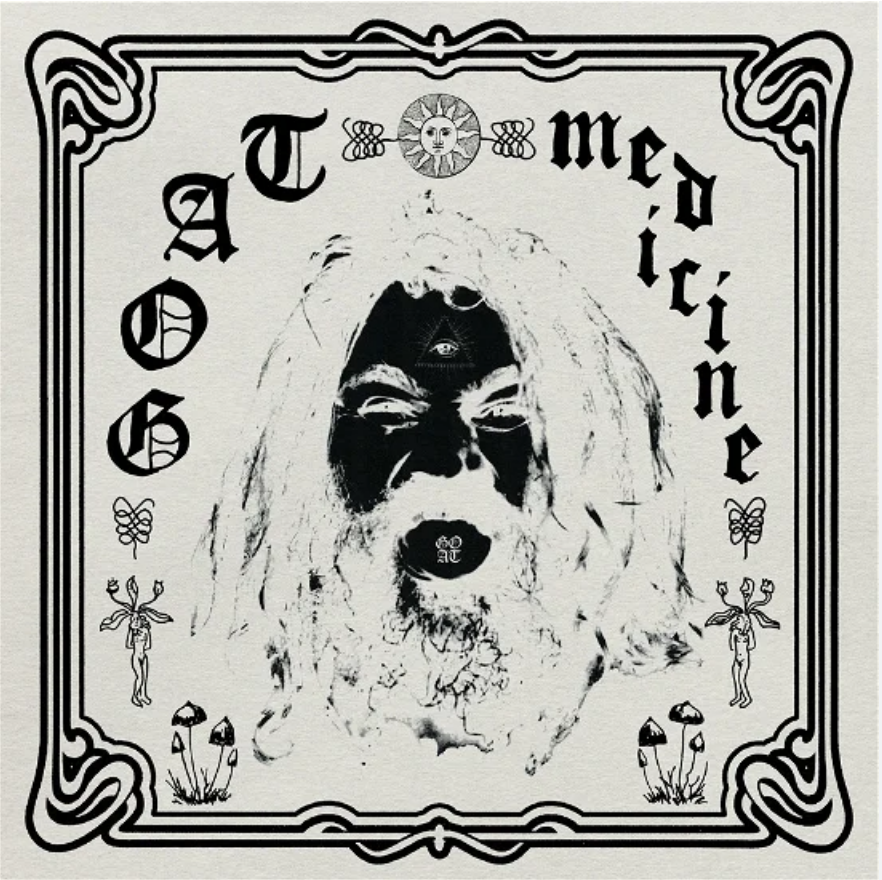
Heard Too Late 2023 :: Goat :: Medicine
The third installment of Heard Too Late: 2023 with Goat, “Medicine.”
Music Blog:
Heard Too Late 2023 :: Dosh, Ismaily, Young
The second installment of our Heard Too Late 2023 series brings us progressive jazz trio Dosh, Ismaily, Young.
Music Blog:

Heard Too Late 2023 :: Lee Gallagher And The Hallelujah :: The Falcon Ate The Flower
The first in a short series highlighting 2023 albums I didn’t spend enough time with prior to my year-end list. First up is the wonderful cosmic country album “The Falcon Ate The Flower” by Lee Gallagher and the Hallelujah.
Music Blog:

Musical Worldview Project:

Musical Worldview: Lou Barlow, "All You People Suck"
“All you people suck
You're the ones that don't believe
That we're all connected
Let the final point repeat”
Musical Worldview Project:

Musical Worldview: Church Of The Cosmic Skull, "Everybody's Going to Die"
“Some of us will live like there is no tomorrow
Some of us will fight until the end
Some of us will struggle through the pain and sorrow
Some of us will choose to make it stop”
Blog:
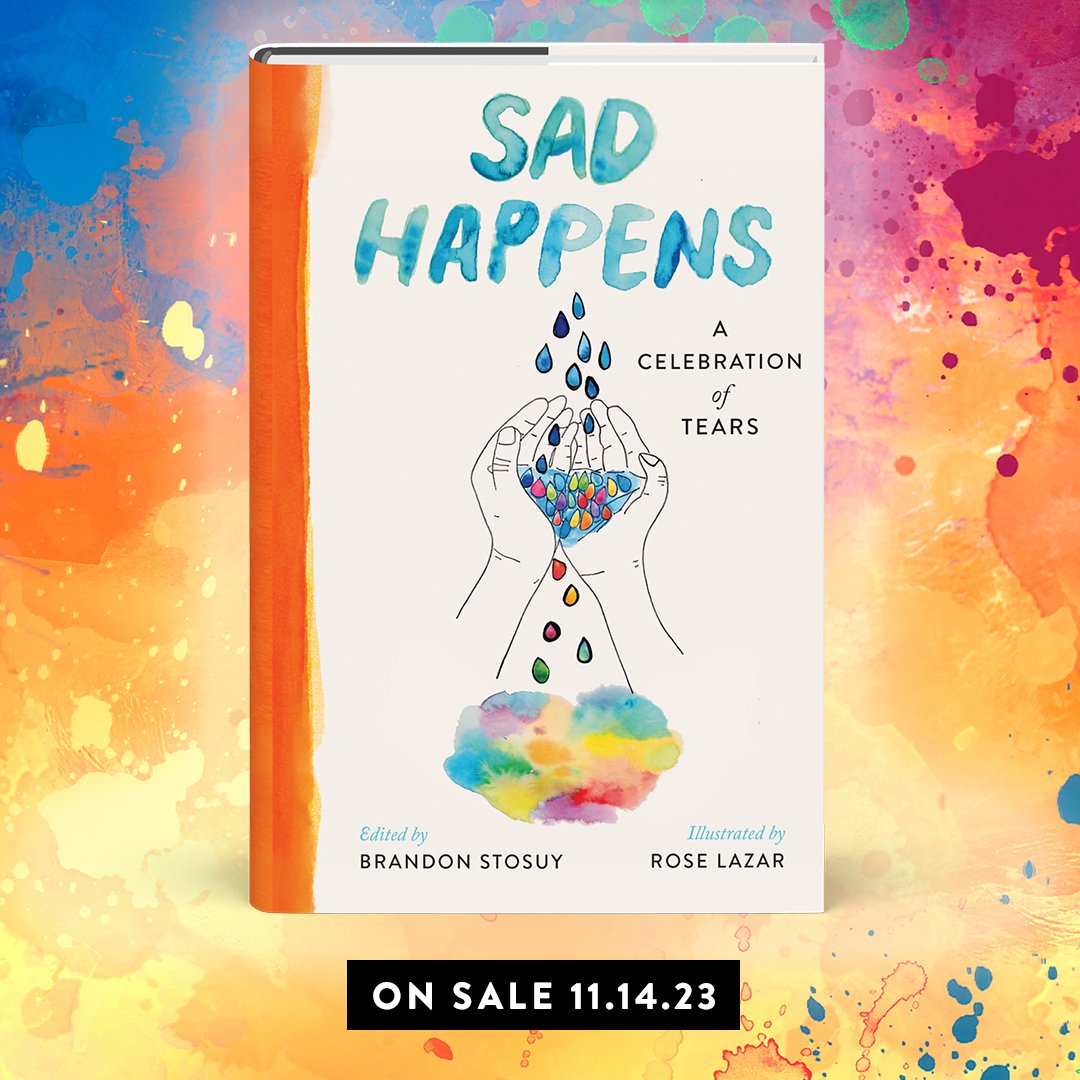
Sad Happens: A Celebration of Tears
“Sad Happens is a collective, multi-faceted archive of tears that captures the complexity and variety of sadness, joy, love, a sense of community, and a host of other emotions. Available 11/14/23.” And I have a piece included!
Music Blog:

King Gizzard & The Lizard Wizard :: Live at Lowlands 2023
King Gizzard & The Lizard Wizard :: Live at Lowlands 2023.
Music Blog:

20 Songs That Make Me Happy :: A Holiday At The Sea Playlist
Just what the title says, friend.