
The Latest/Featured Posts:
Music Blog:
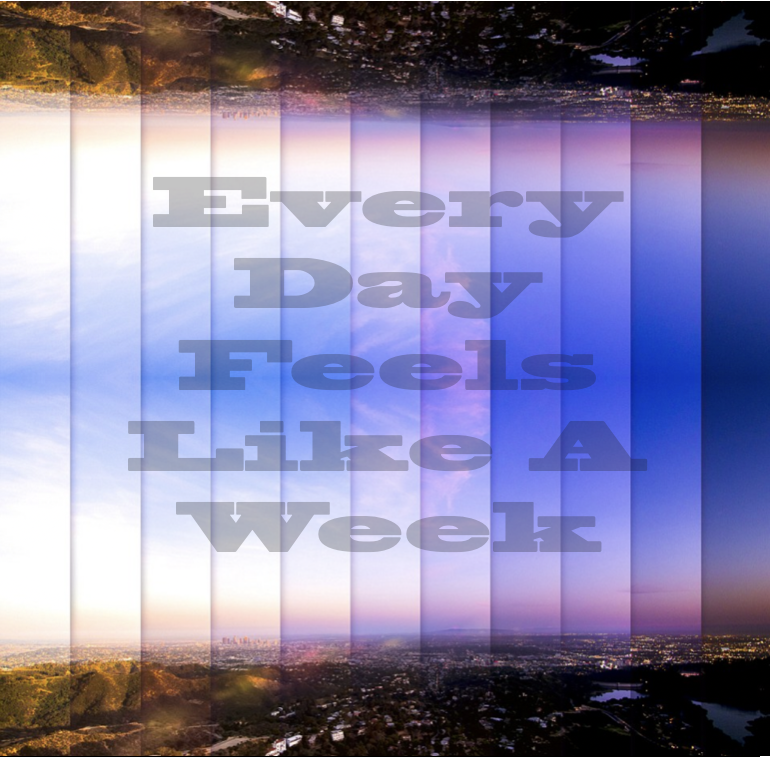
Every Day Feels Like A Week :: A Playlist For Everyday Revolutionaries
"Every Day Feels Like A Week :: A Playlist For Everyday Revolutionaries," a 7-volume playlist of mostly protest music built on the idea that every day feels like a week, and we're not meant to live this way.
Music Blog:
Musical Worldview Project:
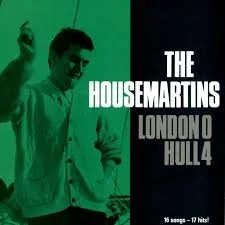
Musical Worldview: the Housemartins, "Freedom"
“So this is freedom (they must be joking)
They must be joking (if they think it's true)
So this is freedom (I doubt their truth)
So this is freedom (for me and you)”
Musical Worldview Project:

Musical Worldview: Drive-By Truckers, "A World Of Hurt"
"To love is to feel pain" there ain't no way around it
The very nature of love is to grieve when it is over”
Musical Worldview Project:

Musical Worldview: Mac Miller, "Surf"
"Sometimes I get lonely,
not when I'm alone.
But it's more when I'm standin' in crowds
that I'm feeling the most on my own."
Musical Worldview Project:

Musical Worldview: Stephen Wilson Jr., "Grief Is Only Love"
“grief is only love that's got no place to go”
Musical Worldview Project:

Musical Worldview: Operation Ivy, "Sound System"
“To resist despair that second makes you see
To resist despair 'cause you can't change everything
To resist despair in this world is
What it is, what it is, what it is to be free”
Music Blog:

Revelation, a Rock Opera by Mike Doughty
“Studio 360 challenges listeners to make Creative Resolutions each year, and at the beginning of 2014, Mike Doughty called into the show and told host Kurt Andersen that he wanted to make a musical based on the biblical book. “It is an absolutely terrifying, psychedelic tale of destruction, and the language is so beautiful,” Doughty told Kurt Andersen. “I thought, with the right music and the right visuals, it would be a great show.” Studio 360 held Mike to his promise, and the result is Revelation.”
Musical Worldview Project:
Musical Worldview: Creedence Clearwater Revival, "Fortunate Son"

“Some folks are born silver spoon in hand
Lord, don't they help themselves, Lord?
But when the taxman come to the door
Lord, the house lookin' like a rummage sale, yeah”
Musical Worldview Project:

Musical Worldview: Ramsay Midwood, "Help a Brother"
“Praytell what’s going to happen to brother?
Who’s going to help him get further?
It’s one another”
Musical Worldview Project:

Musical Worldview: the Housemartins, "Heaven Help Us All"
“Heaven help the child who never had a home,
Heaven help the girl who walks the streets alone
Heaven help the roses if the bombs begin to fall,
Heaven help us all.
Heaven help the black man if he struggles one more day,
Heaven help the white man if he turns his back away.
Heaven help the man who kicks the man who has to crawl,
Heaven help us all . . . “
. . . Listen . . .
Musical Worldview Project:

Musical Worldview: the Housemartins: "Stand At Ease"
“Is there any point in raising questions?
Is there any point in raising flags?
Is there any point in singing anthems?
How long must we turn our backs?
Stand at ease! Stand at ease!
. . . “
Musical Worldview Project:

Musical Worldview: Sylvan Esso, "How Did You Know?"
“Now I know now
Now I can see
How it's meant to be
Taking care of me
Now I know now
Now I can see
How it′s meant to be
Taking care of me”
Musical Worldview Project:

“You fasten all the triggers
For the others to fire
Then you sit back and watch
When the death count gets higher
You hide in your mansion
While the young people's blood
Flows out of their bodies
And is buried in the mud”
Musical Worldview Project:

Musical Worldview: Bad Religion, "You Are The Government"
“Hey, sit down and listen and they'll tell you when you're wrong
Eradicate but vindicate as progress creeps along
Puritan work ethic maintains its subconscious edge
As old glory maintains your consciousness
There's a loser in my house and a puppet on a stool
And a crowded way of life and a black reflecting pool
And as the people bend the moral fabric dies
Then country can't pretend to ignore its peoples cries
'Cause you are the government, you are jurisprudence
You are the volition, you are jurisdiction
And I make a difference too”
Musical Worldview Project:

Musical Worldview: Drive-By Truckers: "Thoughts and Prayers"
“Stick it up your ass with your useless thoughts and prayers”
Music Blog:

Mohammad Mostafa Heydarian: Noor-e Vojood
Tanbur master Mohammad Mostafa Heydarian returns with his second album: Noor-e Vojood (“the light of existence”).
Music Blog:

Etran de L’Aïr :: Live at Music Hall of Williamsburg, Brooklyn :: (6/29/2023)
Watch Etran de L’Aïr bring their psychedelic desert rock to Brooklyn.
Music Blog:
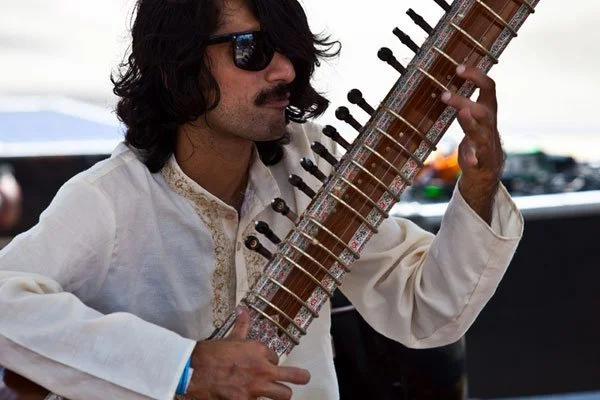
Naan Violence :: Live at Green Light Sound Studio (07/25/14)
Watch Naan Violence live at Green Light Sound Studio (07/25/14).
Music Blog:

My favorite 50 releases of 2024. What a good year for music.
Self-Promotion:
Blog:
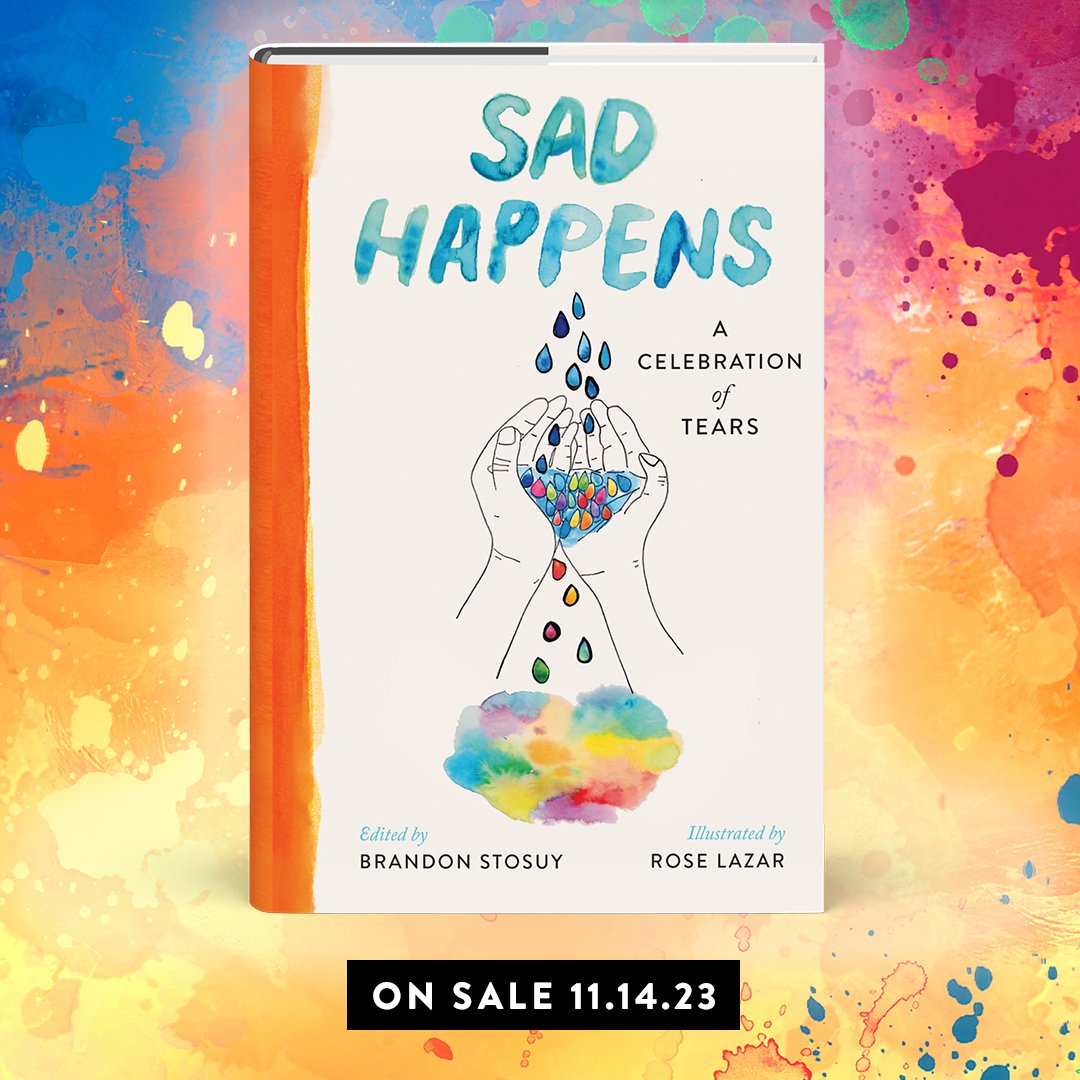
Sad Happens: A Celebration of Tears
“Sad Happens is a collective, multi-faceted archive of tears that captures the complexity and variety of sadness, joy, love, a sense of community, and a host of other emotions. Available 11/14/23.” And I have a piece included!